Be yourself; Everyone else is already taken.
— Oscar Wilde.
This is the first post on my new blog. I’m just getting this new blog going, so stay tuned for more. Subscribe below to get notified when I post new updates.
Be yourself; Everyone else is already taken.
— Oscar Wilde.
This is the first post on my new blog. I’m just getting this new blog going, so stay tuned for more. Subscribe below to get notified when I post new updates.
This world-famous immersion style brewing device produces full-bodied coffee with a heavier texture. Originally patented by Attilio Calimani and further modified it till its inception by Faliero Bondanini – the French-press has since become the main way to make immersion-style coffee in homes across the world.
So how do you make French-press coffee? I’ll explain the standard procedure, but remember to change yours according to your taste as you experiment over time.
First pre-heat your French-press and cup by filling them with hot water.
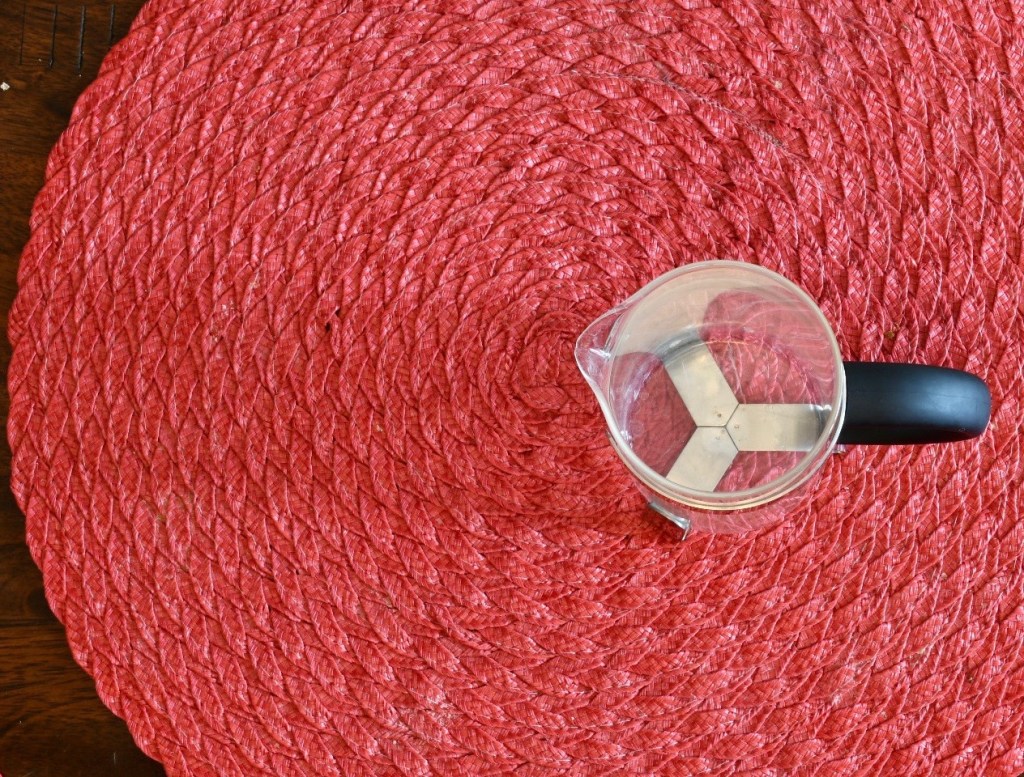
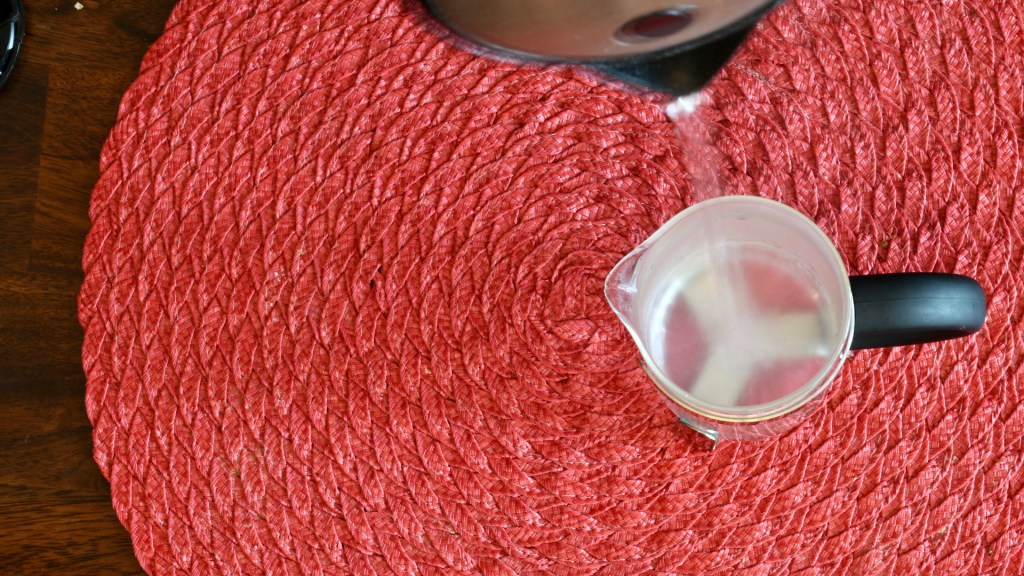
As both vessels heat up, you want to grind your beans at a medium-coarse setting and heat the water you are going to use to 93-94 (200-205) or wait two minutes after boiling.
Before grinding the coffee, use the 1:16 ratio (coffee bean to water) to measure the number of beans you need to grind. If you use 10Oz or 280ml of water to brew, then grind 10 grams.
Remove the water used to pre-heat and replace it with the newly grounded coffee. Tap the French-press to level the grinds evenly.
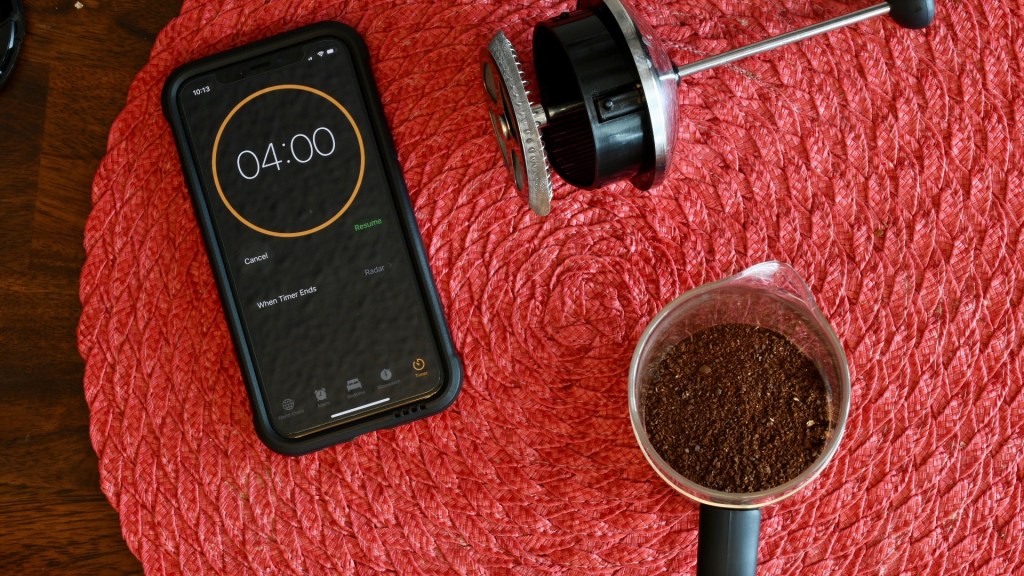
Set a timer for four minutes and begin to pour concentrically from the centre outwards making sure that you get all the grounds wet. Put the lid on but don’t plunge.

After the four minutes, use a spoon to break the crust of coffee grounds formed at the top.
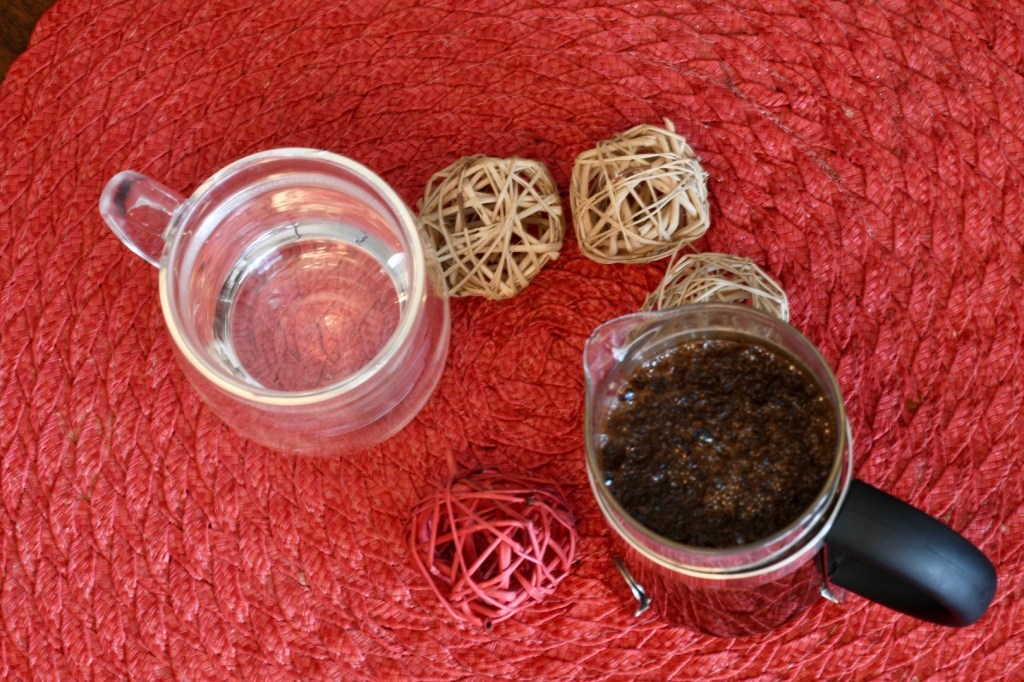

Wait two minutes with the top off to let the coffee cool then put it on and slowly begin to plunge. Pour the coffee right away or pour it in another vessel to avoid the bitterness from over-extracting.


If you don’t usually drink French-pressed coffee then try to observe the differences you notice from your usual brew. If it tastes too bitter you have over-extracted your coffee either due to the steep-time or grind size; try grinding coarser, shortening the steep-time, or both. On the other hand, if it tastes overly sour, you have under-extracted and need to grind finer, steep longer, or both.
If you enjoy your drink then try and describe those delectable details – adversely, if you hate your creation then attempt to describe those miasmic qualities.
In 2019 a new genre of music that was most known as chill-hop has started becoming more prevalent. The genre is most commonly identified as a fusion between hip-hop and jazz, but can also be related to neo-soul and lo-fi. The rise of this genre has also brought about many new faces internet fame with their creative and signature styles.
It’s hard to try to define this genre because the musicians and producers who delve in it vary from each other, but the particular style I find the most intriguing is what I’d like to call contemporary jazz. It blends prominent jazz guitar with hip-hop rhythms and a lo-fi atmosphere – a perfect coffee shop tune in my opinion.
With its rise in popularity, more musicians are being introduced to jazz, but are quickly realizing the threshold is insurmountable without learning music theory. This either intrigues or deters people from furthering their musicianship. Music theory is an integral part of a musician’s tool book because it helps you understand what sounds good and what doesn’t. Beyond that, you can manipulate the rules and make some melodically intricate pieces that don’t sound melodically intense.
That brings me to my final point – chill-hop and contemporary jazz keep and innovates upon the melodic and harmonic intricacies of old jazz while adding the “easy to listen to” component of hip hop. Some old jazz pieces can sometimes sound random and abrasive due to the constant key changes and dissonant chords.
Vulfpeck – Disco Ulysses https://www.youtube.com/watch?v=F7nCDrf90V8
I’m Octavian Hagi-Memet, born in Romania and moved to Calgary when I was two. Growing up I’ve always loved music because of the way it can make you feel and the unique creative intricacies in certain songs. With that being said, the songs I like best are the ones that deliver a visceral emotional experience. My first instrument was an electric guitar which I got when I was 11 years old, and I immediately got unmotivated by the fact that I could not reproduce the masterpieces I loved and listened to. My guitar sat on its stand collecting dust until I dismissed the childish notions of expecting great results from poor work, and began to practice again. Ever since then I’ve been on and off but in high school I’ve garnered a great appreciation for the theory behind all musical pieces.
In this blog I will cover many genres of music, except for country because that is the sole genre I cannot get into. This will not only include just music, but the variety of fields that intertwine and correlate with it. Musical psychology is a field I’d like to learn more about because I’ve just scratched the surface of it reading trivial forum posts.
At the end of each blog post I will leave a link to two songs. These songs have my authoritative seal of approval. They are complex without being hard to listen too, and are melodic and harmonic standards that should be in every music enthusiasts playlist. Enjoy.
Birds of a Feather by Vulfpeck – https://www.youtube.com/watch?v=WQm4R0LM2mE
You & Me (Flume Remix) by MEUTE – https://www.youtube.com/watch?v=fKFbnhcNnjE
This is a test post.
This is an example post, originally published as part of Blogging University. Enroll in one of our ten programs, and start your blog right.
You’re going to publish a post today. Don’t worry about how your blog looks. Don’t worry if you haven’t given it a name yet, or you’re feeling overwhelmed. Just click the “New Post” button, and tell us why you’re here.
Why do this?
The post can be short or long, a personal intro to your life or a bloggy mission statement, a manifesto for the future or a simple outline of your the types of things you hope to publish.
To help you get started, here are a few questions:
You’re not locked into any of this; one of the wonderful things about blogs is how they constantly evolve as we learn, grow, and interact with one another — but it’s good to know where and why you started, and articulating your goals may just give you a few other post ideas.
Can’t think how to get started? Just write the first thing that pops into your head. Anne Lamott, author of a book on writing we love, says that you need to give yourself permission to write a “crappy first draft”. Anne makes a great point — just start writing, and worry about editing it later.
When you’re ready to publish, give your post three to five tags that describe your blog’s focus — writing, photography, fiction, parenting, food, cars, movies, sports, whatever. These tags will help others who care about your topics find you in the Reader. Make sure one of the tags is “zerotohero,” so other new bloggers can find you, too.

 Octo's Brain Freight